Jean Absil
Opere per e con chitarra
Il catalogo per chitarra di Jean Absil è composto dalle seguenti opere:
Opere per chitarra sola
- Cortège du dragon [da Sur un paravent chinois] – Seicorde [Nr.97/2009]
- Dix pièces Op.111 (1962) – Lemoine [24031 H.L.], 1963
- Douze pièces Op.159 (1. Prélude, 2. Romance, 3. Menuet, 4. Berceuse) (1972) – Schott Frères [SF 9272], 1973
- Douze pièces Op.159 (5. Cantilène, 6. Invention, 7. Tristesse, 8. Sicilienne) (1972) – Schott Frères [SF 9273], 1973
- Douze pièces Op.159 (9. Étude rythmique, 10. Chameliers et muezzins, 11. Danse, 12. Humoresque) (1972) – Schott Frères [SF 9274], 1973
- Petit bestiaire Op.151 (La poule, Le coucou, L’âne) – Bèrben [E.1711 B.], 1973
- Pièces caractéristiques Op.123 (Cantilène, Chant du soir, Humoresque, Invention, Pastorale, Pavane, Prélude, Scherzo, Tarentelle, Valse) – Lemoine [24118 H.L.], 1964
- Prélude et barcarolle – Schott Frères [SF 9279], 1972
- Prélude et barcarolle [in Musica nova] – Schott [SF 9407]
- Quatre pièces Op.150 (Barcarolle, Scherzato, Romance, Gigue) (1970) – Lemoine [24070 H.L.], 1964
- Suite Op.114 (Introduction, Gigue, Pavane, Sicilienne) (1963) – Bèrben [E.1564 B.], 1971
- Sur un paravent chinois Op.147 (Bouddha mystérieux, Cortège du dragon, Sampans sur le Yang-tsé, Danse de Saïpo) (1970) – Bèrben [E.1871 B.], 1971
Opere per due chitarre
- Contrastes Op.143 (Cantilène, Humoresque, Pastorale, Burlesque) (1970) – Bèrben [E.1526 B.]
- Danse-musette-gigue Op.119 (1963) – Schott Frères
- Suite Op.135 (1967) – Lemoine [24245 H.L.], 1969
Opera per chitarra e orchestra
- Concerto Op.155 (1971) – Bèrben [E.3614 B.]
Nel mio lavoro di ricerca e di studio ho letto quasi tutta l'opera per chitarra sola e ho incluso le Pièces caractéristiques Op.123 del 1964 nel terzo volume della trilogia Easy Studies for Guitar pubblicato da Brilliant Classics nel 2020
Le Pièces caractéristiques Op.123 sono:
- I - Prélude
- II - Invention
- III - Pastorale
- IV - Humoresque
- V - Valse
- VI - Cantilène
- VII - Scherzo
- VIII - Chant su soir
- IX - Pavane
- X - Tarantelle
È possibile ascoltarli tutti da qui:
Jean Absil’s guitar catalogue consists of the following works:
Works for solo guitar
- Cortège du dragon [from Sur un paravent chinois] – Seicorde [Nr.97/2009]
- Dix pièces Op.111 (1962) – Lemoine [24031 H.L.], 1963
- Douze pièces Op.159 (1. Prélude, 2. Romance, 3. Menuet, 4. Berceuse) (1972) – Schott Frères [SF 9272], 1973
- Douze pièces Op.159 (5. Cantilène, 6. Invention, 7. Tristesse, 8. Sicilienne) (1972) – Schott Frères [SF 9273], 1973
- Douze pièces Op.159 (9. Étude rythmique, 10. Chameliers et muezzins, 11. Danse, 12. Humoresque) (1972) – Schott Frères [SF 9274], 1973
- Petit bestiaire Op.151 (La poule, Le coucou, L’âne) – Bèrben [E.1711 B.], 1973
- Pièces caractéristiques Op.123 (Cantilène, Chant du soir, Humoresque, Invention, Pastorale, Pavane, Prélude, Scherzo, Tarentelle, Valse) – Lemoine [24118 H.L.], 1964
- Prélude et barcarolle – Schott Frères [SF 9279], 1972
- Prélude et barcarolle [in Musica nova] – Schott [SF 9407]
- Quatre pièces Op.150 (Barcarolle, Scherzato, Romance, Gigue) (1970) – Lemoine [24070 H.L.], 1964
- Suite Op.114 (Introduction, Gigue, Pavane, Sicilienne) (1963) – Bèrben [E.1564 B.], 1971
- Sur un paravent chinois Op.147 (Bouddha mystérieux, Cortège du dragon, Sampans sur le Yang-tsé, Danse de Saïpo) (1970) – Bèrben [E.1871 B.], 1971
Works for two guitars
- Contrastes Op.143 (Cantilène, Humoresque, Pastorale, Burlesque) (1970) – Bèrben [E.1526 B.]
- Danse-musette-gigue Op.119 (1963) – Schott Frères
- Suite Op.135 (1967) – Lemoine [24245 H.L.], 1969
Work for guitar and orchestra
- Concerto Op.155 (1971) – Bèrben [E.3614 B.]
In my research and study work I have read almost all the solo guitar works and I included the Pièces caractéristiques Op.123 from 1964 in the third volume of the trilogy Easy Studies for Guitar published by Brilliant Classics in 2020.
The Pièces caractéristiques Op.123 are:
I - Prélude
II - Invention
III - Pastorale
IV - Humoresque
V - Valse
VI - Cantilène
VII - Scherzo
VIII - Chant du soir
IX - Pavane
X - Tarantelle
All of them can be heard here:
Appunti
Le composizioni dell’organista e compositore belga Jean Absil (1893 – 1974) sono spesso influenzate dalla scuola tardo-romantica ed in particolare quella di Wagner e Strauss. L’autore a Parigi subì l’influenza della musica di Milhaud e Schoenberg e sviluppò un proprio stile compositivo fondato su strutture polifoniche e polimodali. La produzione di Absil abbraccia anche il repertorio per pianoforte dove eccelleva come interprete. Di rilievo le tre sonate (scritte rispettivamente nel 1937, 1939 e 1965), le due Grand Suites, la Passacaglia in Memoriam Alban Berg e il suo Concerto per pianoforte n. 3, op. 162. In queste Pièces Caractéristiques scritte nel 1964, è facile identificare una netta direzione tonale in un’atmosfera salottiera; nonostante gli spazi ristretti, inoltre, l’autore riesce a caratterizzare con accuratezza ogni pagina: si può percepire lo spirito dell’ouverture nel Prélude iniziale, la rigida costruzione contrappuntistica nell’Invention, il divertimento nell’Humoresque e nello Scherzo, la capacità espressiva nel Vals o nel Chant du Soir. Uno vero piccolo e prezioso scrigno di occasioni interpretative.
-Cristiano Porqueddu, 2020
The compositions of the Belgian organist and composer Jean Absil (1893–1974) are often influenced by the late‑Romantic school, particularly that of Wagner and Strauss. During his time in Paris, he absorbed the influence of Milhaud and Schoenberg, developing a personal compositional style grounded in polyphonic and polymodal structures. Absil’s output also embraces the piano repertoire, an instrument in which he excelled as a performer. Of particular significance are his three sonatas (written respectively in 1937, 1939, and 1965), the two Grand Suites, the Passacaglia In Memoriam Alban Berg, and his Piano Concerto No. 3, Op. 162.
In these Pièces Caractéristiques, composed in 1964, one can easily discern a clear tonal direction within an intimate, salon‑like atmosphere; despite the limited dimensions, the composer succeeds in giving each page a precise character. The spirit of an ouverture emerges in the opening Prélude, the strict contrapuntal construction in the Invention, the playful nature in the Humoresque and the Scherzo, and the expressive refinement in the Valse and Chant du Soir. A truly small yet precious casket of interpretative possibilities.
-Cristiano Porqueddu, 2020
Jean Absil
Bio
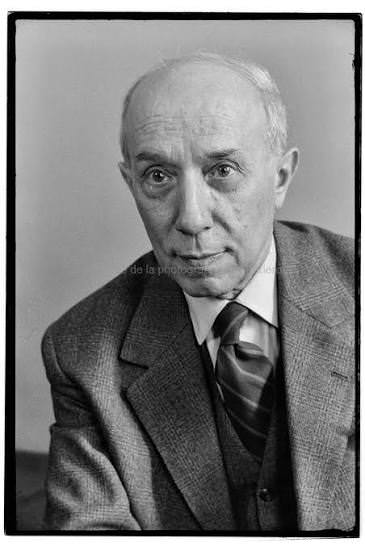
Jean Absil nacque a Péruwelz, in Belgio, il 23 maggio 1893, e morì a Uccle, Bruxelles, il 2 febbraio 1974. Studiò organo, pianoforte e armonia con Alphonse Oeyen, organista della Basilica di Bon‑Secours. Nel 1913 entrò al Conservatorio Reale di Bruxelles, dove seguì i corsi di organo con Alphonse Desmet, pianoforte, contrappunto e fuga con Léon Du Bois, e successivamente orchestrazione e composizione con Paul Gilson. Nel 1922 vinse il secondo Prix de Rome belga con la cantata La Guerre.Dopo il concorso iniziò a insegnare armonia al Conservatorio di Bruxelles, dove fu nominato professore nel 1936. In questi anni si allontanò dai modelli del suo maestro Gilson per avvicinarsi a una produzione più contemporanea. Trascorse un periodo a Parigi, vinse il Prix Rubens nel 1934 e fondò nel 1938 l’International Journal of Music. Fu leader del gruppo La Sirène, impegnato nella diffusione della musica contemporanea.Il suo Concerto per pianoforte fu imposto nella prima edizione del Concorso Ysaÿe del 1938, ottenendo una reputazione internazionale. Per quarant’anni fu direttore dell’Accademia di Musica di Etterbeek, che nel 1963 prese il suo nome. Fu anche professore di fuga al Conservatorio Reale di Bruxelles e alla Chapelle Musicale Reine Elisabeth.Nel 1955 venne eletto alla Royal Academy del Belgio e nel 1964 ricevette il premio quinquennale del governo belga. La sua formazione lo portò a confrontarsi con Franck, Gilson, Wagner, Richard Strauss e i nazionalisti russi, ma presto si interessò alle nuove correnti europee. Frequentò i concerti del Quartetto Pro Arte, dove scoprì Milhaud, Hindemith e Schoenberg, e seguì spesso le prove del gruppo per assimilare la nuova musica.Absil sviluppò così un linguaggio personale, coerente e applicato a forme diverse, fondato su una sintesi tra scuola francese, Stravinsky e Bartók, che ammirava profondamente. Studiò la musica tradizionale della Romania e di altri paesi, e si dedicò alla musica atonale, politonale e seriale. Inventò nuove modalità e rinnovò tecniche espressive basate su accordi non tradizionali.Nel 1938 cercò di rendere la sua musica più accessibile, ma dal 1963 smise di fare concessioni e si dedicò quasi esclusivamente alla musica strumentale. Una scuola secondaria di Bruxelles porta il suo nome: l’Athénée Royal Jean Absil.
Jean Absil was born in Péruwelz, Belgium, on 23 May 1893, and died in Uccle, Brussels, on 2 February 1974. He studied organ, piano, and harmony with Alphonse Oeyen, organist of the Basilica of Bon‑Secours. In 1913 he entered the Royal Conservatory of Brussels, studying organ with Alphonse Desmet, piano, counterpoint and fugue with Léon Du Bois, and later orchestration and composition with Paul Gilson. In 1922 he won the second Belgian Prix de Rome with his cantata The War. After the competition he began teaching harmony at the Brussels Conservatory, where he was appointed professor in 1936. During these years he moved away from Gilson’s models and turned toward contemporary musical production. He spent time in Paris, won the Prix Rubens in 1934, and founded the International Journal of Music in 1938. He led the group La Sirène, dedicated to promoting contemporary music. His Piano Concerto was selected for the first Ysaÿe Competition in 1938, giving him international recognition. For forty years he directed the Etterbeek Music Academy, which was named after him in 1963. He was also appointed professor of fugue at the Royal Conservatory of Brussels and at the Queen Elisabeth Music Chapel. In 1955 he was elected to the Royal Academy of Belgium, and in 1964 he received the Belgian government’s quinquennial prize. His training exposed him to Franck, Gilson, Wagner, Richard Strauss, and the Russian nationalists, but he soon became interested in new European trends. He attended concerts by the Pro Arte Quartet, discovering Milhaud, Hindemith, and Schoenberg, and often followed their rehearsals to absorb new music. Absil forged a personal and coherent language applied to various forms, synthesizing the French school, Stravinsky, and Bartók, whom he greatly admired. He studied traditional music from Romania and other countries, and explored atonal, polytonal, and serial techniques. He invented new modal approaches and renewed expressive methods based on non‑classical chords. In 1938 he sought to make his music more accessible, but after 1963 he stopped making concessions and devoted himself almost entirely to instrumental music. A secondary school in Brussels bears his name: the Royal Athenaeum Jean Absil.