I topoi del romanzo barocco sono la sensualità e la rappresentazione del corpo (soprattutto femminile) con l’intento di esaltarne la bellezza; l’esagerazione metaforica, con la creazione di immagini vivide che mirano a sorprendere chi legge; i mondi fantastici, con richiami alla fiaba e frequenti ispirazioni ai poemi cavallereschi; e ancora la morte, la ricerca dell’identità. Nell’ambito dell’arte figurativa emergono il movimento (energia e vitalità), il trionfo (scene di apoteosi e gloria) e il conseguente senso di stupore e meraviglia; il tema della morte e della brevità dell’esistenza; il chiaroscuro (contrasti di luce che creano effetti drammatici ed estremizzano il ruolo di una parte dell’opera); l’allegoria, il mito, il simbolismo.
Dalla letteratura all’architettura, dalla pittura alla scultura: forma, sì. Tecnica, sì. Ma dramma, fantastico, amore, carne, apoteosi, avventura, amore, morte. L’obiettivo non è né la forma né la tecnica. È sufficiente guardare e leggere ciò che, di quell’epoca, è giunto fino a noi.
Ora, spostandomi nel campo della musica (che è il mio ambito di competenza), mi è davvero difficile, dopo un simile preambolo, non rimanere deluso nell’ascoltare una preoccupante percentuale di interpreti che trasforma le pagine degli autori di quel periodo, indipendentemente dallo strumento, in esecuzioni che (per usare un termine matematico) tendono al file midi, cioè allo zero: l’assenza di indicazioni dinamiche, per ragioni tutt’altro che artistiche, porta quasi sempre a esecuzioni asettiche, da impiegato della musica, diceva un amico; rari gli slanci espressivi e, nel migliore dei casi, molto è ridotto a un’esasperazione di dinamiche a terrazza. Certe esecuzioni, dopo pochi minuti, diventano insopportabili: un blaterare continuo interrotto dalle pause della fine dei periodi o, più spesso, dei movimenti (movimenti che ricordano fin troppo il gesto di prendere aria a bocca aperta quando si è stati sott’acqua per troppo tempo).
Poi ascolto le interpretazioni di Glenn Gould.
E mi viene da pensare che, sostanzialmente, come accade nella letteratura, nella pittura e nell’architettura, il dovere di chi legge diventa responsabilità. La capacità di introdurre la propria personalità nell’esecuzione, arricchendo la visione del compositore, è un’operazione che richiede ben più della conoscenza del ruolo del soggetto e del controsoggetto, di come si sviluppa il secondo tema o di come si modula da una tonalità all’altra. Ancora una volta è chiaro che la conoscenza tecnica serve (non serve) se non mira a realizzare qualcosa inciso sull’elica del DNA.
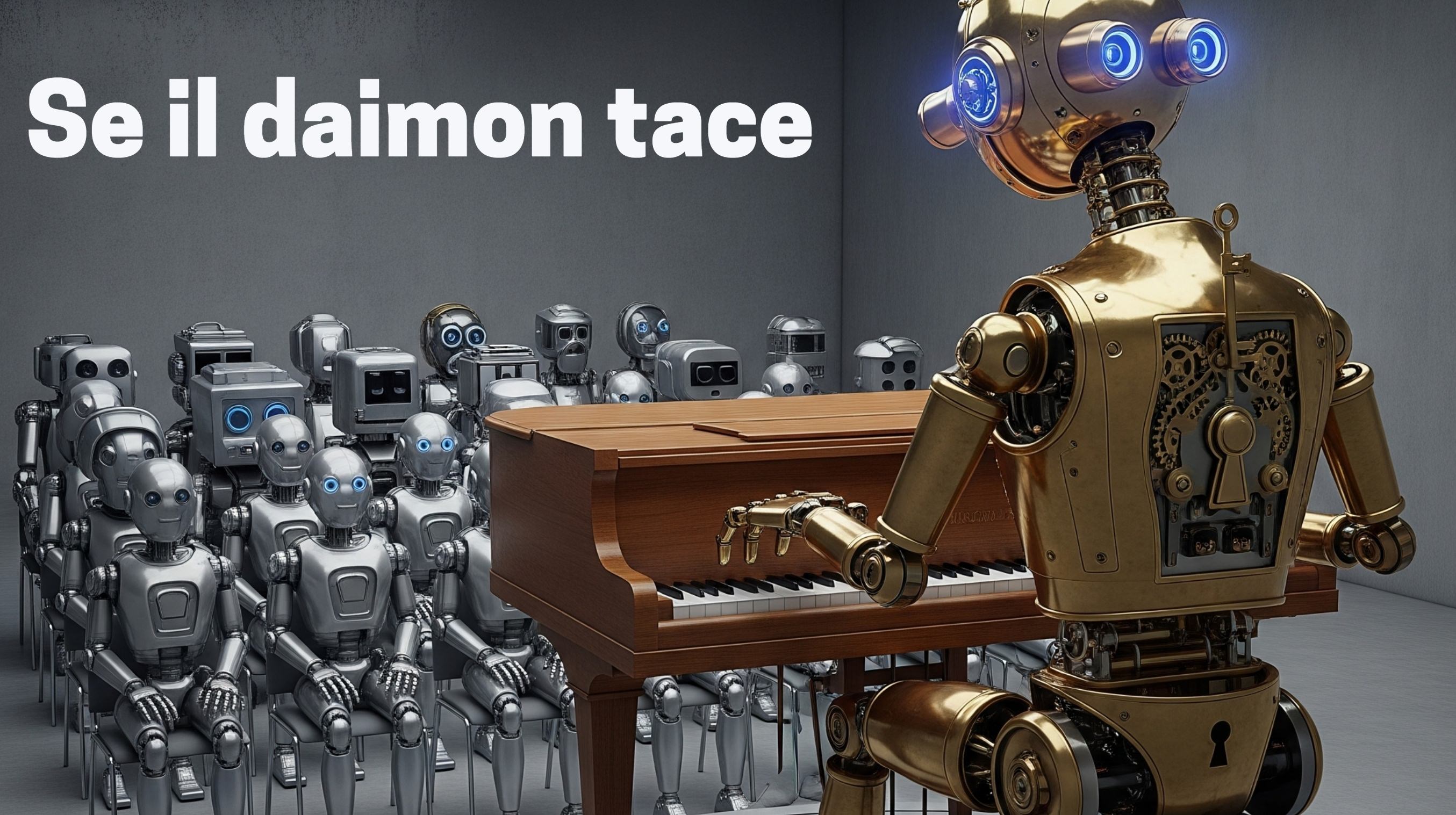
Se il daimon tace, il master, il dottorato, la menzione, la lode, la tournée e la discografia diventano oppiacei.